Hyperadrenocorticism and Hypothyroidism in Dogs*
£25.00 + VAT
SKU: MED-HYPO

Add up to 3 PDFs to your basket together with an Online Course, and get the PDFs for FREE!!!
Overview
Hyperadrenocorticism and Hypothyroidism in Dogs
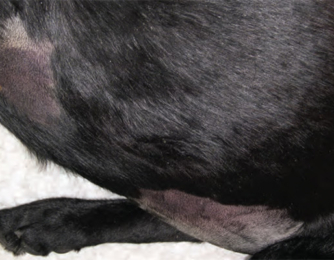
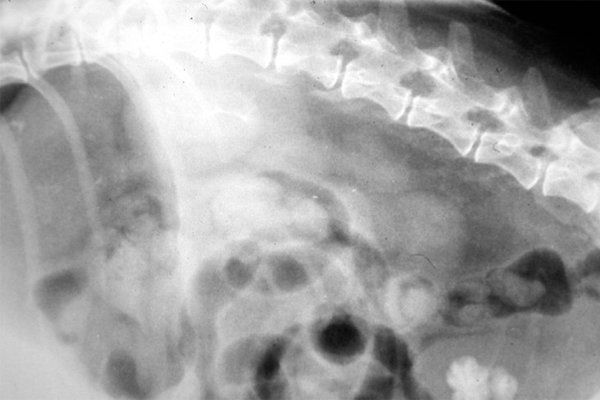
Hyperadrenocorticism and Hypothyroidism in Dogs: Hyperadrenocorticism (HAC), or Cushing’s syndrome, occurs as a result of excessive secretion or exogenous administration of glucocorticoids. Common clinical signs of HAC include polydipsia, polyuria, alopecia, pendulous abdomen and hepatomegaly. Due to its high sensitivity, the American College of Veterinary Internal Medicine (ACVIM) consensus statement on the diagnosis of spontaneous HAC suggests the low dose dexamethasone suppression test (LDDST) be used as the screening test of choice. HAC can be managed either surgically or medically with most cases having a good prognosis. Hypothyroidism is the result of decreased production of thyroxine (T4) and triiodothyronine (T3) by the thyroid gland. Most dogs with hypothyroidism will experience dermatological and/or metabolic clinical signs in addition to fasting hyperlipidaemia (hypercholesterolaemia in 75% cases and/or hypertriglyceridaemia in 88% cases) on laboratory testing. The most common diagnostic tests include measuring total T4, free T4 and/or thyroid stimulating hormone (TSH); however, the TSH stimulation test is considered the “gold standard” for diagnosing thyroid dysfunction. The treatment of choice for hypothyroidism is L-thyroxine and the prognosis for adult dogs with primary hypothyroidism receiving appropriate therapy is excellent. This is a PDF of an article published in VetCPD Journal. For the most current CPD we highly recommend our range of 70 Online Courses – see below for details. Please note that these articles do NOT have exams associated with them.