


Internal Medicine
Purchase individual PDF articles on a range of Internal Medicine CPD topics. Plus make sure to sign up to our range of Internal Medicine courses! Additionally, get a PDF article for FREE if you add one of our Online Courses to your basket as well. So why not choose a PDF and one or more of our Internal Medicine courses and get the PDF for free!
View our 2026/27 Online Courses and VetCPD LIVE in Bath May 27 Brochure
Showing 1–20 of 21 results
-
 Internal Medicine
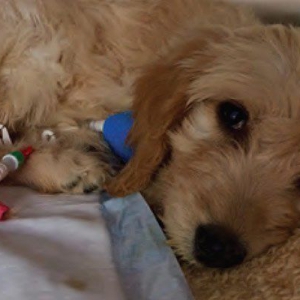
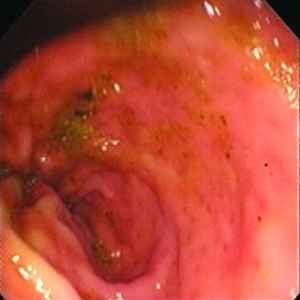
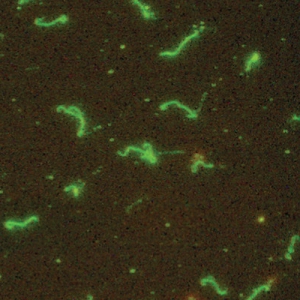
Acute infectious gastroenteritis in UK dogs. Part 1 – viruses, bacteria and parasites
£25.00 + VAT View -
 Internal Medicine
Acute infectious gastroenteritis in UK dogs. Part 2: diagnosis and management
£25.00 + VAT View -
-
-
-

-
-
-
-
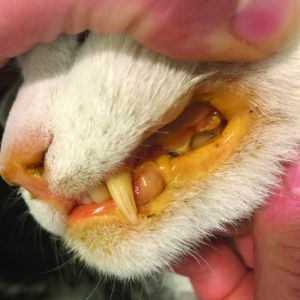 FelineInternal Medicine
Feline coronavirus and feline infectious peritonitis in the Covid-19 era
£25.00 + VAT View -
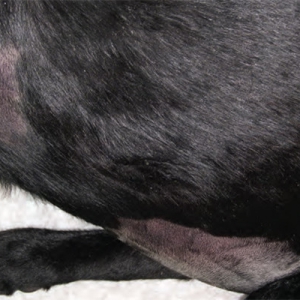 Internal Medicine
Fresh frozen plasma – why every veterinary practice should keep a bag in the freezer*
£25.00 + VAT View -
-
 Internal Medicine
Hyperadrenocorticism and Hypothyroidism in Dogs*
£25.00 + VATHyperadrenocorticism and Hypothyroidism in Dogs
Hyperadrenocorticism and Hypothyroidism in Dogs: Hyperadrenocorticism (HAC), or Cushing’s syndrome, occurs as a result of excessive secretion or exogenous administration of glucocorticoids. Common clinical signs of HAC include polydipsia, polyuria, alopecia, pendulous abdomen and hepatomegaly. Due to its high sensitivity, the American College of Veterinary Internal Medicine (ACVIM) consensus statement on the diagnosis of spontaneous HAC suggests the low dose dexamethasone suppression test (LDDST) be used as the screening test of choice. HAC can be managed either surgically or medically with most cases having a good prognosis. Hypothyroidism is the result of decreased production of thyroxine (T4) and triiodothyronine (T3) by the thyroid gland. Most dogs with hypothyroidism will experience dermatological and/or metabolic clinical signs in addition to fasting hyperlipidaemia (hypercholesterolaemia in 75% cases and/or hypertriglyceridaemia in 88% cases) on laboratory testing. The most common diagnostic tests include measuring total T4, free T4 and/or thyroid stimulating hormone (TSH); however, the TSH stimulation test is considered the “gold standard” for diagnosing thyroid dysfunction. The treatment of choice for hypothyroidism is L-thyroxine and the prognosis for adult dogs with primary hypothyroidism receiving appropriate therapy is excellent.View -
 Internal Medicine
Hyperproteinaemia in cats and dogs: An approach to diagnostic investigation*
£25.00 + VATHyperproteinaemia in cats and dogs: An approach to diagnostic investigation
Increased serum protein concentrations can be associated with infl ammatory, infectious and neoplastic conditions. Hyperproteinaemia is a signifi cant biochemical finding in both dogs and cats that warrants further investigation. Due to the wide range of differential diagnoses it is essential that a systematic approach to the investigation of hyperproteinaemia is implemented in order to identify the underlying aetiology. This article will discuss the diagnostic approach to hyperproteinaemia and the potential differential diagnoses.View -
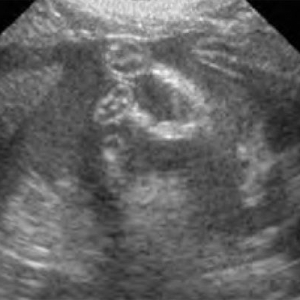 Internal Medicine
Management of canine primary immune-mediated thrombocytopenia (ITP)*
£25.00 + VATManagement of canine primary immune-mediated thrombocytopenia (ITP)
Immune-mediated thrombocytopenia can be a life threatening disease requiring patients to be aggressively managed and supported. Like all haematologic values, the measured platelet count is a balance between production and loss. Loss can be consumptive (i.e. used as part of the coagulation cascade) or destructive, mediated by the immune system. Platelets are produced from megakaryocytes in the bone marrow. Their normal circulating life span is a little over one week. Senescent (aged) platelets are removed from the circulation and phagocytosed, particularly within the spleen.View -
 Internal Medicine
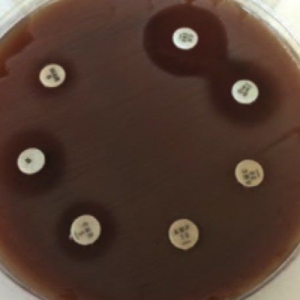
Prescribing veterinary antimicrobials: How do we make the right decisions?*
£25.00 + VATPrescribing veterinary antimicrobials: How do we make the right decisions?
Antimicrobial resistance is a rapidly developing problem in both the human and veterinary fields. The development of new agents is slow and it is clear that careful stewardship and rational prescribing of antimicrobial agents is going to be key in slowing the rate of bacterial resistance over the forthcoming decades. This article reviews the mechanisms by which antimicrobial resistance occurs and how we can optimise our therapy to be as effective as possible, limiting selection pressure for drug resistance to occur.View -

-
 CardiologyFelineInternal Medicine
Rational Use of Cardiac Biomarkers in Dogs and Cats
£25.00 + VAT View -
 Internal Medicine
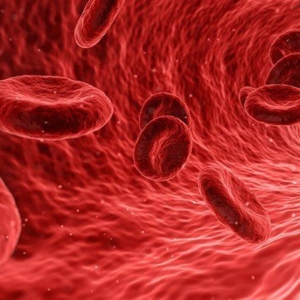
Red blood cell transfusions in pets – when, what and how to do it!*
£25.00 + VATRed blood cell transfusions in pets – when, what and how to do it!
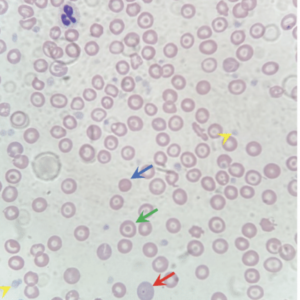
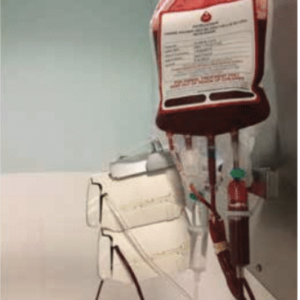
Red blood cell transfusions in pets: Red cell transfusions are now a relatively common intervention in veterinary practice in the UK and help in the treatment of many patients. This is largely due to the availability of blood products, such as Packed Red Blood Cells (PRBC) , from blood banks supplying directly to practices. After donation, red cells are separated from plasma into a concentrated packed cell form, a nutrient extender is then added to them. This allows the red cells to be stored for up to 42 days before being transfused into patients. DEA 1 blood typing prior to transfusion is essential and cross matching should be performed for second transfusions. Blood products are administered through a filtered giving set and patients monitored closely for transfusion reactions. Transfusion reactions are thankfully rare but potentially life threatening.View -
 Internal Medicine
The Canine Gastrointestinal Microbiome and potential ways to manipulate it
£25.00 + VAT View