Parasitology
Purchase individual articles, plus exams on a range of parasitology CPD subjects. Turn your reading into CPD hours. From only £20 + VAT
View our 2026/27 Online Courses and VetCPD LIVE in Bath May 27 Brochure
Showing 1–20 of 28 results
-

-
-
-

-
-
 Parasitology
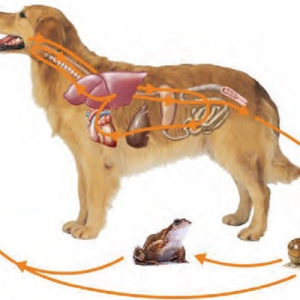
Deworming frequencies in cats and dogs – when is monthly deworming essential?*
£25.00 + VAT View -
-
 Parasitology
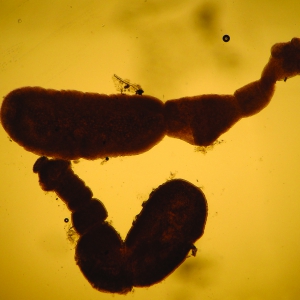
Emerging UK Zoonoses in Cats and Dogs
£25.00 + VATEmerging UK Zoonoses in Cats and Dogs
Cats and dogs increasingly share environments with people and are considered as “family members”. This relationship brings both mental and physical benefits to pet owners. Cats and dogs, however, can also be a source of zoonotic parasites, many of which are increasing in prevalence and distribution. To maintain the hugely beneficial human-animal bond, zoonotic risk needs to be minimised while being kept in perspective for the pet owner. This article takes examples of UK zoonoses associated with cats and dogs, their current UK status, exposure risk and methods of control.View -
 Parasitology
Exotic disease threats from pet travel, importation and changing parasite distributions in Europe*
£25.00 + VAT View -
-
-
-
 Parasitology
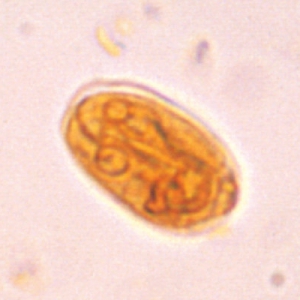
Giardia and Tritrichomonas: Incidental Findings or Significant Gut Pathogens?*
£25.00 + VAT View -
 Parasitology
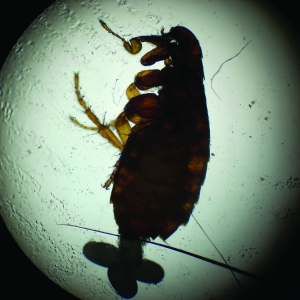
Household flea infestations and the risk to the immune suppressed
£25.00 + VATHousehold flea infestations and the risk to the immune suppressed
While much focus has been placed on the role of ticks in zoonotic pathogen transmission, fleas in the UK have been largely overlooked as vectors of zoonotic disease. The Big Flea Project, surveying flea infestations on UK cats and dogs, found fleas to be infected with both Bartonella and Rickettsia felis, both of particular concern as a cause of disease in the immune suppressed. Bartonella spp. infections are common in domestic cats and transmission is thought to arise primarily from infected fleas. Bartonellosis is a significant zoonosis with a variety of clinical presentations and can be fatal in the immune suppressed. Similarly, Rickettsia felis is flea transmitted and is an underdiagnosed cause of fever and lethargy in humans. It can also be a source of chronic debilitating disease in the immune suppressed. This article discusses Bartonella and Rickettsia felis infection in UK fleas, human infection and measures that can be taken to limit zoonotic risk while maintaining the human-animal bond.View -
 Parasitology
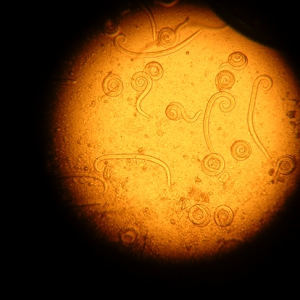
Is monthly treatment of cats and dogs for worms and routine flea treatment essential?
£25.00 + VAT View -
-
-
-
 Parasitology
Reasons for flea control failure and methods for their successful control*
£25.00 + VAT View -