


Leishmania Infantum: Could it Establish in the UK?*
£25.00 + VAT
SKU: PARA-LEIS

Add up to 3 PDFs to your basket together with an Online Course, and get the PDFs for FREE!!!
Overview
Leishmania Infantum: Could it Establish in the UK?
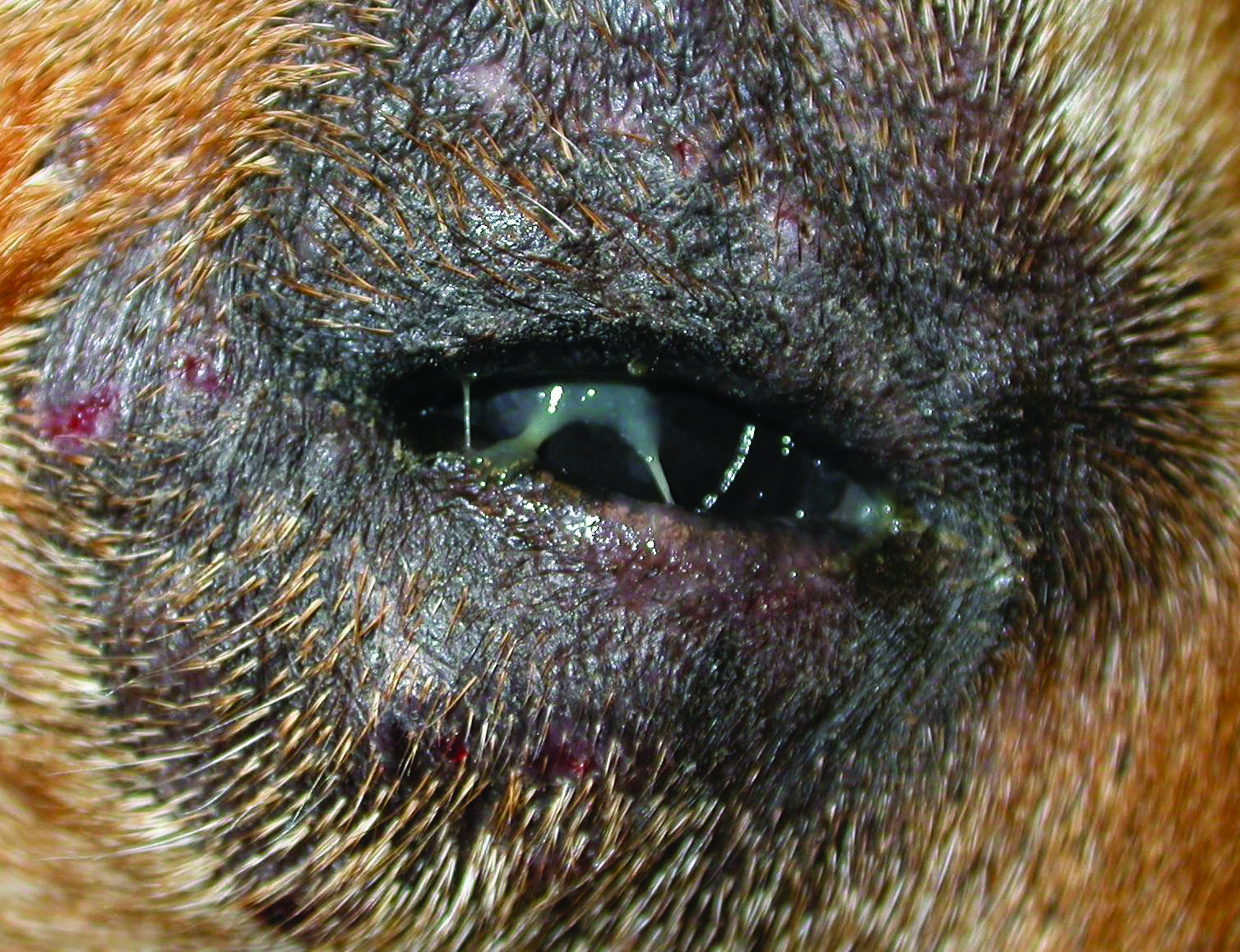
Leishmania spp are vector-borne protozoan parasites in the family Kinetoplastidae and infection can result in a wide range of clinical signs. Leishmania infantumis the main species causing leishmaniosis in dogs and cats in Europe, as well as visceral and cutaneous forms of the disease in humans. Dogs are the main reservoir in endemic countries, but cats and other potential vertebrate reservoirs can also play a significant role. Sand flies are the main vector, but non-vectoral transmission via venereal and transplacental transmission, blood transfusion and possibly dog bites can also occur. These routes have allowed Leishmaniato form endemic foci where the sandfly vector is not present. This, and unexplained horizontal transmission in the absence of the sandfly vector, has led to concerns that Leishmaniacould establish in the UK. Large numbers of rescue dogs are being imported into the UK from endemic countries, making vigilance for relevant clinical signs and appropriate screening tests vital if cases are to be detected early, managed appropriately and risks of endemic establishment reduced. This article considers the risks of UK establishment by the parasite and how they might be minimised. This is a PDF of an article published in VetCPD Journal. For the most current CPD we highly recommend our range of 70 Online Courses – see below for details. Please note that these articles do NOT have exams associated with them.