Neurology
Purchase individual PDF articles on a range of Neurology CPD topics. Plus make sure to sign up to our Neurology and Epilepsy courses! Additionally, get up to three PDF articles for FREE if you add one of our Online Courses to your basket as well. So why not choose up to three PDFs and one of our Online Neurology courses and get up to three PDFs for free!
View our 2026/27 Online Courses and VetCPD LIVE in Bath May 27 Brochure
Showing all 14 results
-
 Neurology
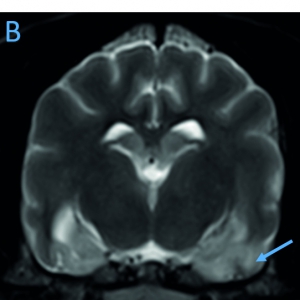
Anti-Epileptic Drug Therapy – What to do in Cases of Refractory Canine Epilepsy*
£25.00 + VAT View -
 Neurology
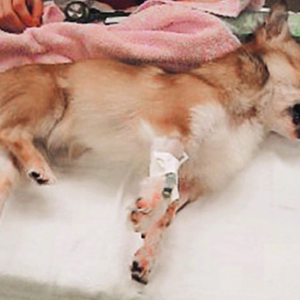
Approach to Intermittent Collapse in the Dog – The Neurologist’s Perspective*
£25.00 + VAT View -
 FelineNeurology
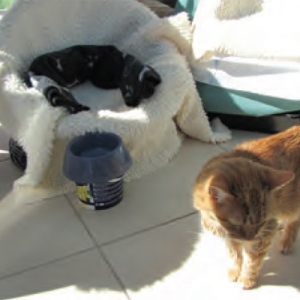
Cognitive Dysfunction Syndrome – How to Help Older Cats with Dementia
£25.00 + VAT View -

-

-

-
-
-
-
-
Neurology
Update on the management of the seizuring cat
£25.00 + VATUpdate on the management of the seizuring cat
Seizures are a common neurological condition in cats. The causes of seizures in cats can be diverse. It is important to determine the underlying cause to allow effective treatment; however, contrary to popular belief Idiopathic epilepsy (of unknown cause) is not an uncommon diagnosis in cats, although it is more common between the ages of 1-5 years. The age of diagnosis however, appears to vary more widely than in dogs. Epilepsy is a chronic condition which can require lifelong treatment; there are however, no licenced maintenance treatments for seizuring cats in the UK. Phenobarbitone decreases the seizure frequency in 60->90% of cats with idiopathic epilepsy (IE). Levetiracetam is more effective than phenobarbitone at treating seizures in cats with audiogenic reflex seizures. Evidence for the use of other anti-epileptic medications in cats is scant, and it should be remembered that some drugs, such as potassium bromide are contraindicated. Prognosis is dependant on the underlying cause, but in cats with idiopathic epilepsy (of unknown cause), it is thought to be favourable.View -
-