VetCPD Journal - CPD Articles
VetCPD Journal was published by VetCPD between 2014 and 2021. Over this time we produced over 200 articles which are available to purchase and download below.
View our 2026/27 Online Courses and VetCPD LIVE in Bath May 27 Brochure




Showing 101–120 of 207 results
-
-
-
-
-
 Internal Medicine
Fresh frozen plasma – why every veterinary practice should keep a bag in the freezer*
£25.00 + VAT View -
 Parasitology
Giardia and Tritrichomonas: Incidental Findings or Significant Gut Pathogens?*
£25.00 + VAT View -
 CardiologyFeline
HCM and Copycats: Differential diagnoses of left ventricular thickening in cats
£25.00 + VAT View -
 Parasitology
Household flea infestations and the risk to the immune suppressed
£25.00 + VATHousehold flea infestations and the risk to the immune suppressed
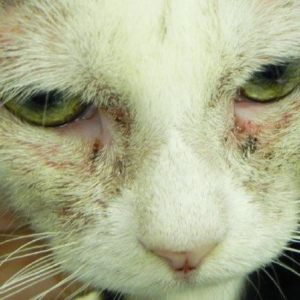
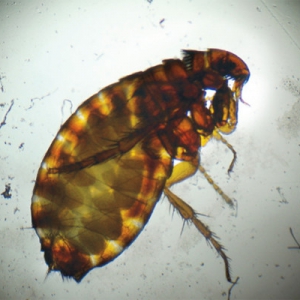
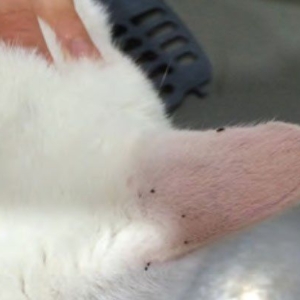
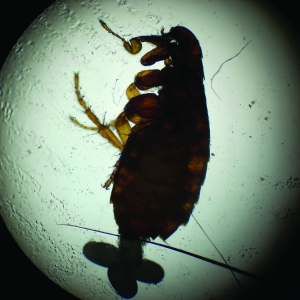
While much focus has been placed on the role of ticks in zoonotic pathogen transmission, fleas in the UK have been largely overlooked as vectors of zoonotic disease. The Big Flea Project, surveying flea infestations on UK cats and dogs, found fleas to be infected with both Bartonella and Rickettsia felis, both of particular concern as a cause of disease in the immune suppressed. Bartonella spp. infections are common in domestic cats and transmission is thought to arise primarily from infected fleas. Bartonellosis is a significant zoonosis with a variety of clinical presentations and can be fatal in the immune suppressed. Similarly, Rickettsia felis is flea transmitted and is an underdiagnosed cause of fever and lethargy in humans. It can also be a source of chronic debilitating disease in the immune suppressed. This article discusses Bartonella and Rickettsia felis infection in UK fleas, human infection and measures that can be taken to limit zoonotic risk while maintaining the human-animal bond.View -
-

-
 Internal Medicine
Hyperadrenocorticism and Hypothyroidism in Dogs*
£25.00 + VATHyperadrenocorticism and Hypothyroidism in Dogs
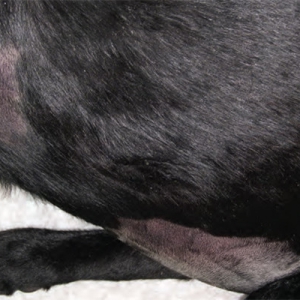
Hyperadrenocorticism and Hypothyroidism in Dogs: Hyperadrenocorticism (HAC), or Cushing’s syndrome, occurs as a result of excessive secretion or exogenous administration of glucocorticoids. Common clinical signs of HAC include polydipsia, polyuria, alopecia, pendulous abdomen and hepatomegaly. Due to its high sensitivity, the American College of Veterinary Internal Medicine (ACVIM) consensus statement on the diagnosis of spontaneous HAC suggests the low dose dexamethasone suppression test (LDDST) be used as the screening test of choice. HAC can be managed either surgically or medically with most cases having a good prognosis. Hypothyroidism is the result of decreased production of thyroxine (T4) and triiodothyronine (T3) by the thyroid gland. Most dogs with hypothyroidism will experience dermatological and/or metabolic clinical signs in addition to fasting hyperlipidaemia (hypercholesterolaemia in 75% cases and/or hypertriglyceridaemia in 88% cases) on laboratory testing. The most common diagnostic tests include measuring total T4, free T4 and/or thyroid stimulating hormone (TSH); however, the TSH stimulation test is considered the “gold standard” for diagnosing thyroid dysfunction. The treatment of choice for hypothyroidism is L-thyroxine and the prognosis for adult dogs with primary hypothyroidism receiving appropriate therapy is excellent.View -
-
 Internal Medicine
Hyperproteinaemia in cats and dogs: An approach to diagnostic investigation*
£25.00 + VATHyperproteinaemia in cats and dogs: An approach to diagnostic investigation
Increased serum protein concentrations can be associated with infl ammatory, infectious and neoplastic conditions. Hyperproteinaemia is a signifi cant biochemical finding in both dogs and cats that warrants further investigation. Due to the wide range of differential diagnoses it is essential that a systematic approach to the investigation of hyperproteinaemia is implemented in order to identify the underlying aetiology. This article will discuss the diagnostic approach to hyperproteinaemia and the potential differential diagnoses.View -
-
-
-
-
 Parasitology
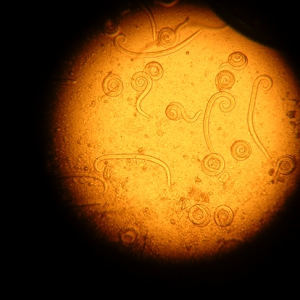
Is monthly treatment of cats and dogs for worms and routine flea treatment essential?
£25.00 + VAT View -
 Orthopaedics
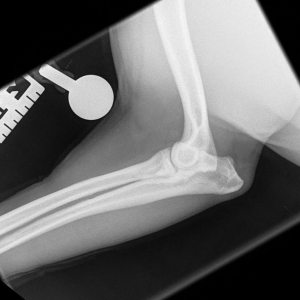
Lameness in the Juvenile Dog – Part 1: Developmental diseases
£25.00 + VATLameness in the Juvenile Dog - Part 1: Developmental diseases
Developmental diseases, those that cause lameness in the skeletally immature dog, are relatively common. A structured approach is required to achieve a diagnosis, as with the adult dog. However, given the potential for some of these conditions to have an impact on future joint health, prompt diagnosis and treatment may be of greater importance. Differentials for lameness in the skeletally immature dog include hip dysplasia, elbow dysplasia, osteochondrosis and Legg Calve Perthes disease. Surgery to treat hip dysplasia in the juvenile dog may be possible depending on the age of the animal at presentation and the severity of the disease. Similarly, there is an emphasis on early debridement of osteochondrosis or coronoid disease lesions to give superior outcomes. There is little evidence that restriction of exercise will reduce the impact of future osteoarthritis, so the historical emphasis on a combination of rest and analgesia should be considered secondary to achieving a prompt diagnosis.View -